The dial gives a watch an identity of its own. Serving as the “face” of the watch, the dial not only displays indications of t.mes
, it’s also an opportunity to give the watch a unique aesthetic.
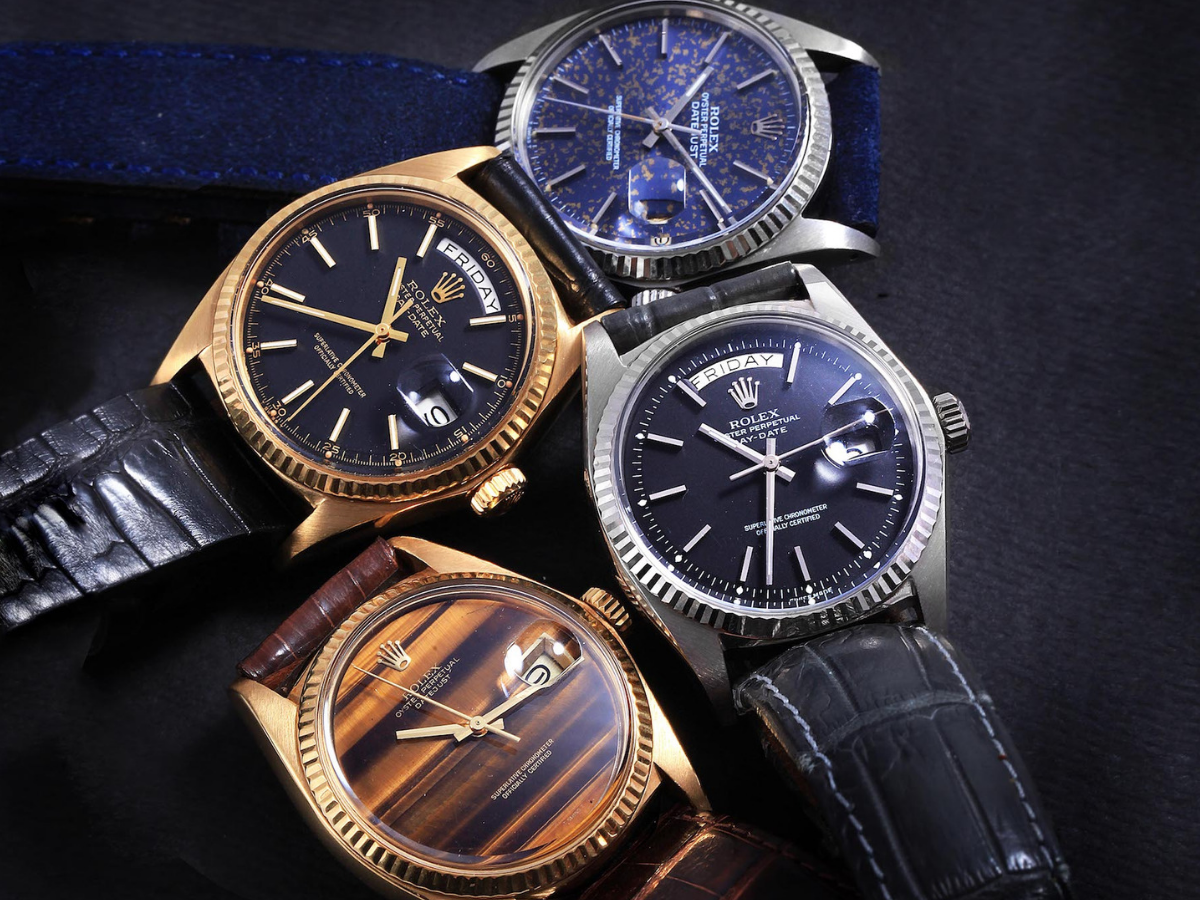
Rolex has mastered all aspects of watch creation in-house, and that includes using rare and fine materials, that makes a Rolex truly unique. Take your pick from these prime examples: br br
br
Meteorite
Here’s a material that’s truly out of this world – the meteorite. Rolex uses the famed Gibeon meteorites, named after the Namibian town where meteorites fell during prehistoric t.mes
s. Gibeon meteorites are now protected by Namibian laws and can no longer be harvested, making these even more precious. SEE MORE >
br
br
Mother of Pearl
Mother-of-pearl is the iridescent lining you can find within a shell. Rolex uses the material frequently in its watches, and in varying colors such as black, white, pink, and yellow tones – colors that are 100% natural. The unique patterns and iridescence of these materials mean no dials are ever the same. SEE MORE >
br
br
Onyx
Rolex also uses the elegant, smooth textured onyx stone in its dials. It is part of the quartz mineral group and is a layered stone, and can range from white to black. When featured in Rolex dials, these are often spotless, which create a nice contrast against gold and steel. SEE MORE >
br
br
br
Sodalite
Sodalite is a rich, royal blue material used as an ornamental gemstone. Different shades of blue will often be present in a single gemstone and is invariably veined with markings – making each sodalite dial different from one another. SEE MORE >
br
br
Coral
In the Rolex Datejust and Day-Date collects
ion is a special group that feature semi-precious stone dials. Among these dials is the vibrant coral stone. Their distinguishing characteristic – durable and intensely colored red or pink-orange color, which makes for an eye-catching dial. SEE MORE >
br
br
Tiger Eye
Tiger eye, also called tiger’s eye, is a metamorphic rock with a golden to red-brown color and silky, lustrous banding. The rich shades are a perfect match for the warm, 18k yellow gold Rolex Oyster case. SEE MORE >
br
br
Lapis Lazuli
Lapis lazuli, or lapis for short, is a deep blue metamorphic rock that is prized for its intense color. It is one of the most sought after stones for jewelry making, particularly because its blue hue is a symbol for royalty. SEE MORE >
br
br
br
Wood
Using wood for the watch dials began in the 1950s, which was a period of experimentation for art. Not to be outdone, Rolex featured many traditional collects
ions with heavily grained dials – such as the Rolex President Day-Date and the Cellini, featuring burled mahogany wood. SEE MORE >
br
br
Malachite
Malachite is a green copper mineral, known for its vibrant green color and agate-like banding that shows different shades of green. Its green color that does not fade over t.mes
or when exposed to light, making it a preferred material for jewelry making. SEE MORE >
br
br
Marble
Rolex has also used hard marble stone for its dials. Creating this dial is particularly challenging because of the material’s delicate nature, which has to be drilled in order to fit the dial’s metal elements. SEE MORE >
br
br
br
Bloodstone
Bloodstone is a combination of chalcedony and jasper. Chalcedony gives it its mostly deep green color, while jasper gives it its red color specks. Bloodstone can also be found in many saturated specks of color – from yellow to warm grey to deep brown. SEE MORE >
When you mention a two-tone luxury sports watch today, it evokes a completely different reaction than it did two decades ago. Nowhere is this shift more dramatic—and hotly debated among collects
ors—than in the evolution of the Rolex GTNN
-Master “Root Beer.” What began in the 1970s as a funky, unapologetically warm take on the ultimate pilot’s…
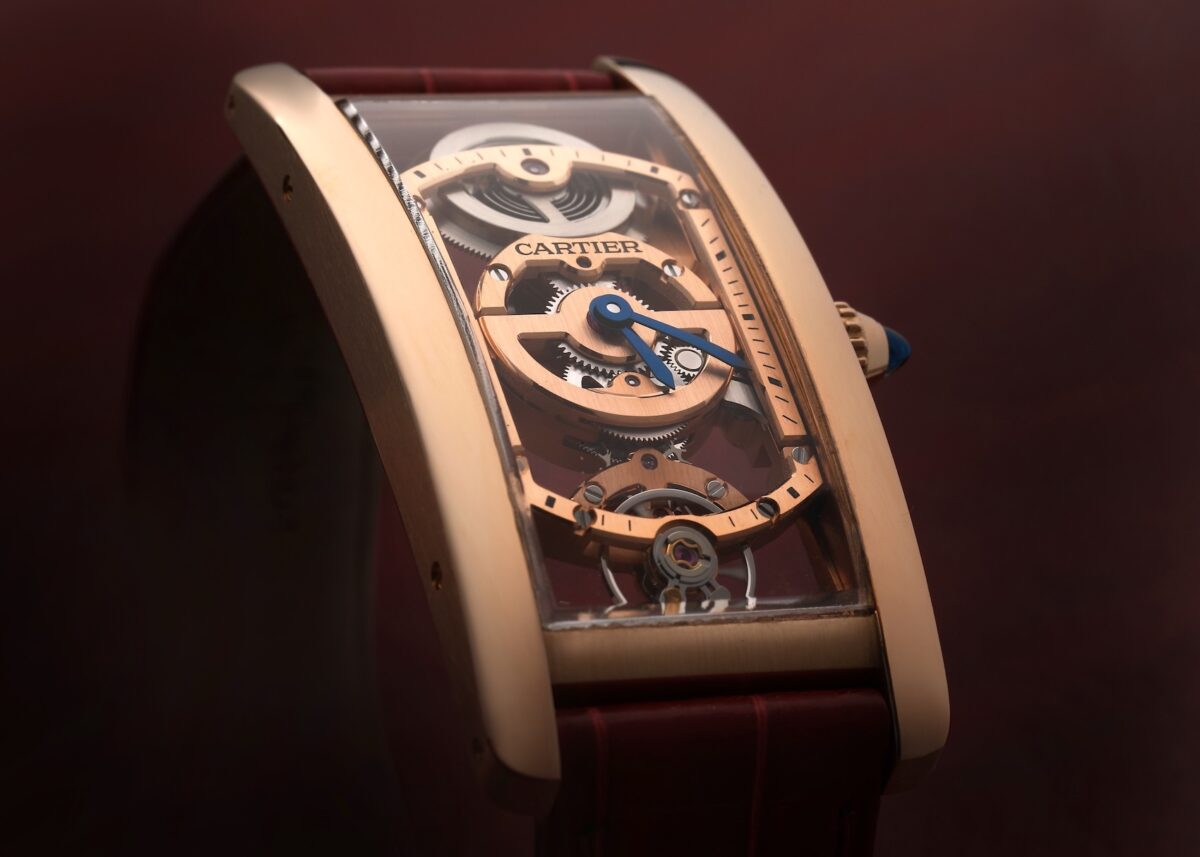
For decades, within the dimly lit corners of watch forums and the hushed discussions of serious collects
ors, a dismissal was often whispered: “Cartier? Oh, they make beautiful jewelry. But they aren’t a serious watchmaker.” This sent.mes
nt, long held by horological purists (let’s call them “snobs”), was rooted in a distinct hierarchy. True watchmaking, the narrative went,…
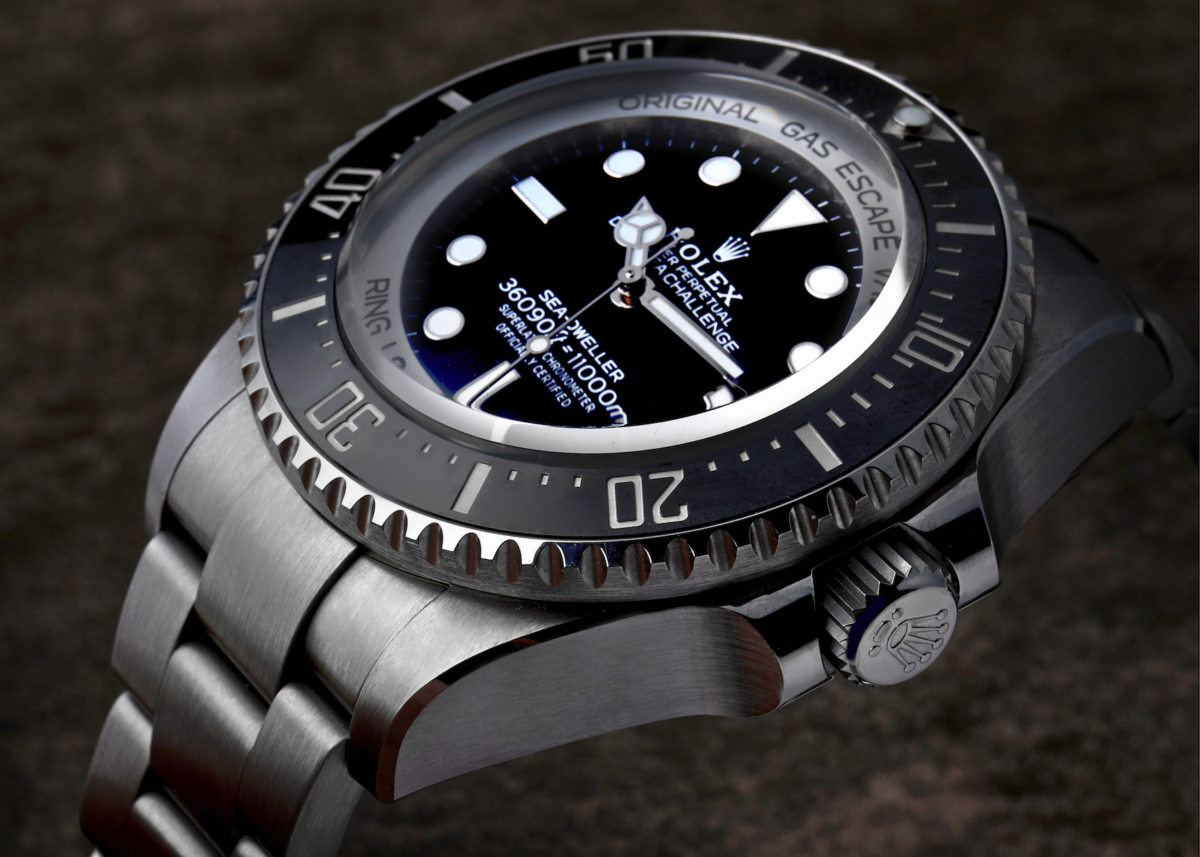
When a luxury watchmaker releases a t.mes
piece that.mes
asures 50mm across and 23mm thick, it immediately commands attention. The Rolex Deepsea Challenge 126067 is an uncompromising piece of extreme engineering that pushes the boundaries of what a mechanical watch can endure. Rolex’s pursuit of aquatic supremacy began long before the specialized dive models of the 1950s, originating…
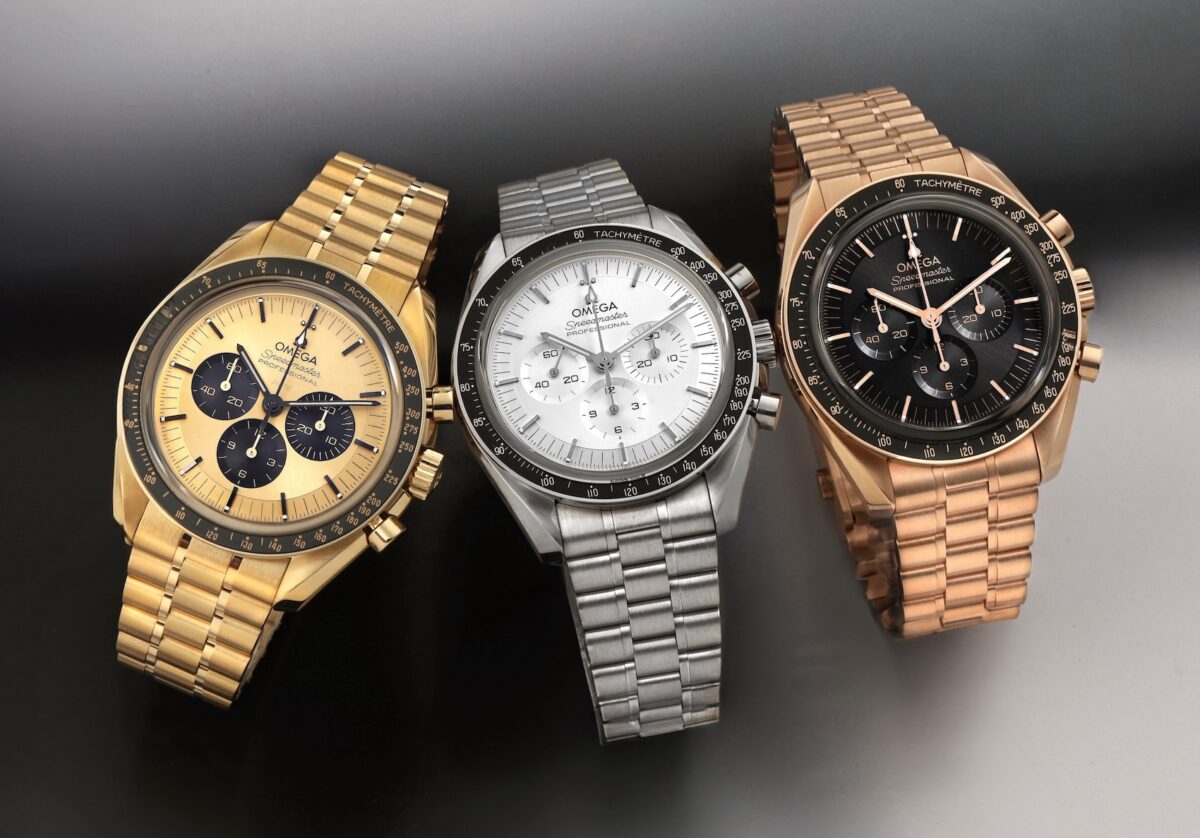
In the world of haute horlogerie, the fight for supremacy is usually fought with calibers, complications, and vertical integration. But in recent years, a new battlefield has emerged, one defined not by gear trains but by atomic structures. The industry alchemists at Omega are no longer content using the same standard 18K gold or stainless steel…