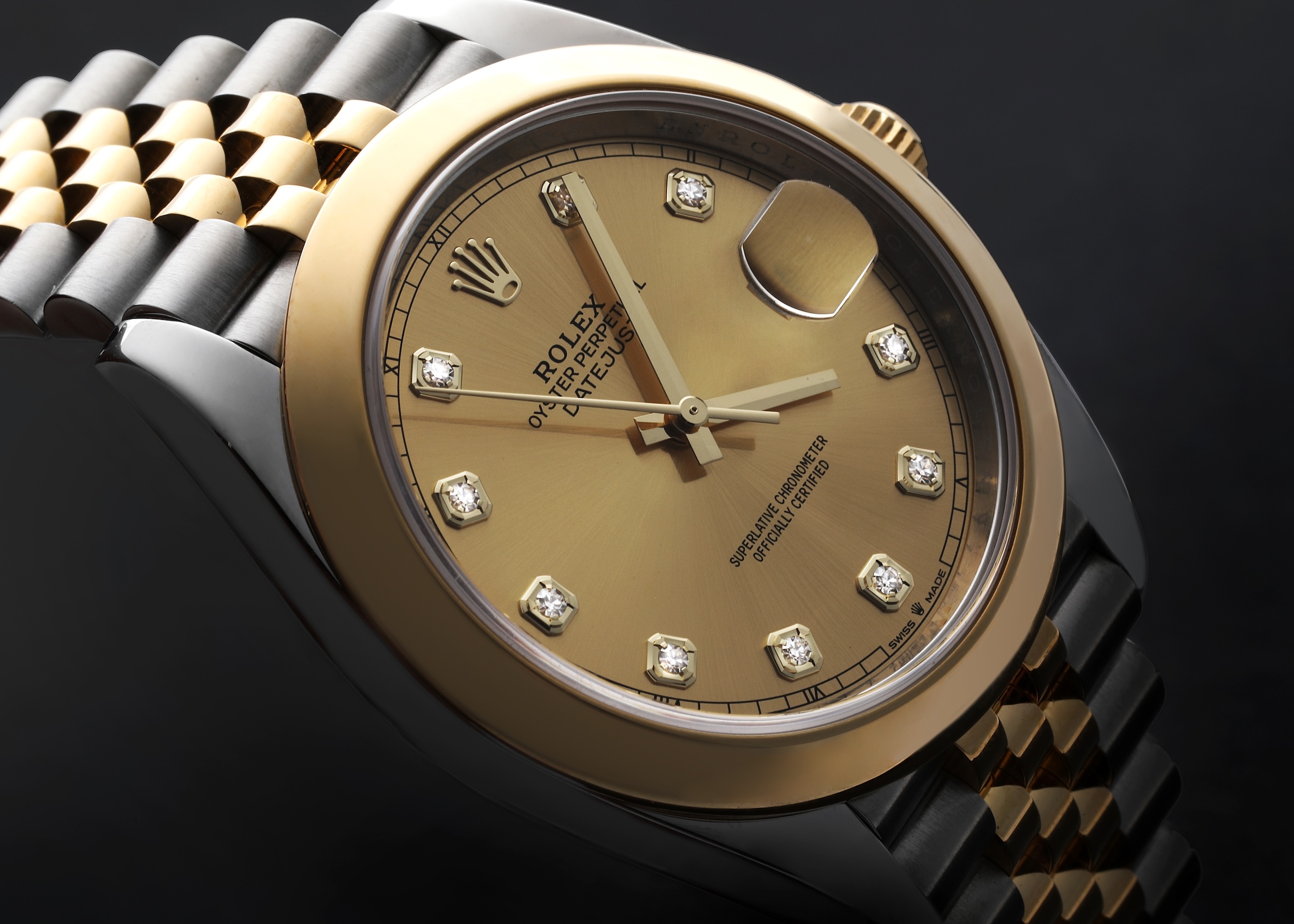
Love it or hate it, that little magnifying bubble sitting at the 3 o’clock position is pure Rolex. The Cyclops lens is far more than just a functional piece of glass—it is one of the most undeniable design signatures in all of watchmaking.
We spend a lot of t.mes talking about the complex internal mechanics that make a Rolex date wheel turn—[Read our Complete Guide to the Rolex Date Function here]—but the exterior lens sitting on top of that date window has its own distinct evolution. What started as a thoughtful, romantic gesture eventually turned into decades of material engineering.
The Origins of the Cyclops Lens (1953)
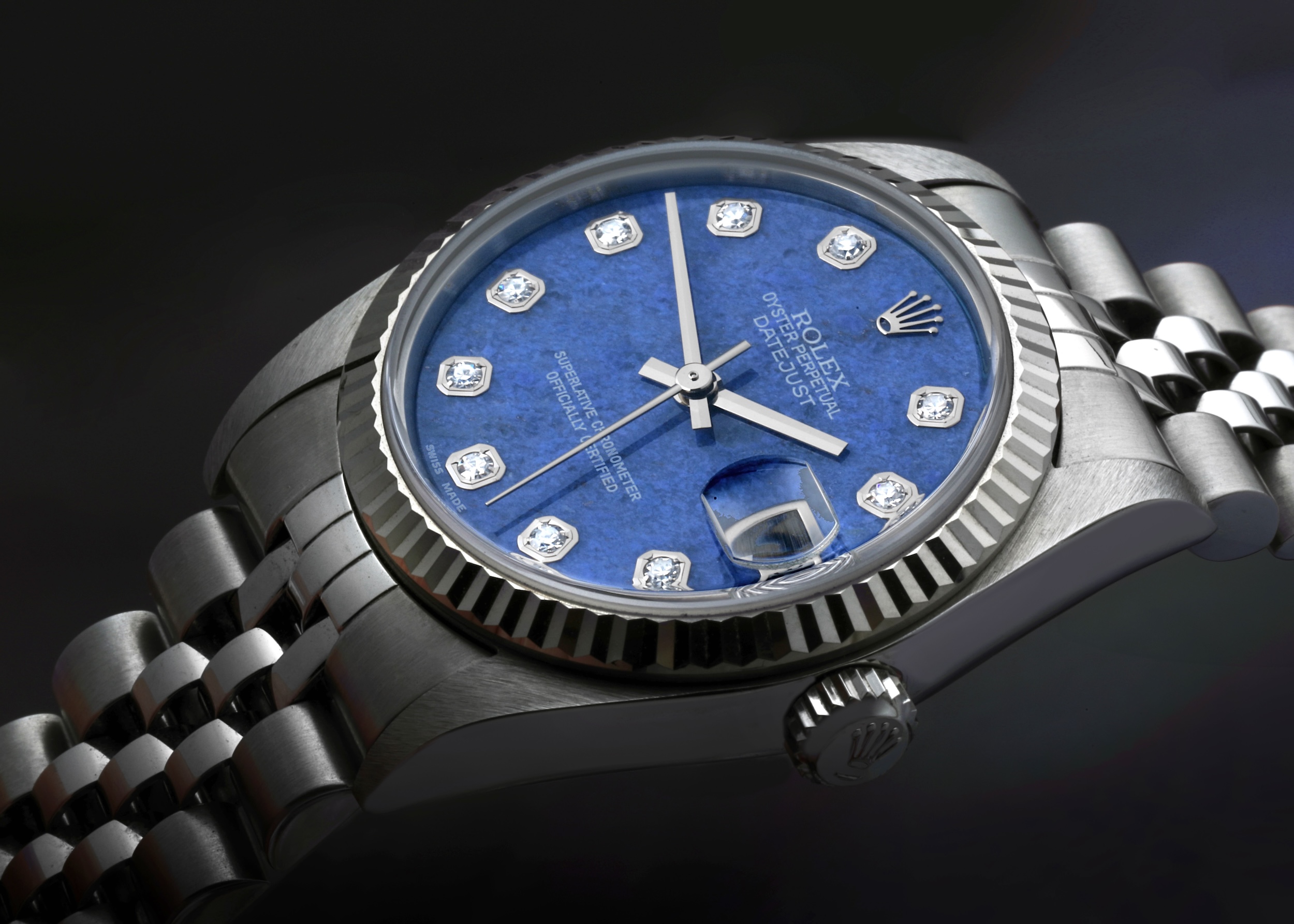
The Cyclops first appeared in 1953 on the Datejust. As Rolex lore has it, founder Hans Wilsdorf conceived the idea to solve a very practical problem: his wife was struggling to read the tiny date aperture on her dial.
Wilsdorf named his new magnifying solution after the one-eyed giants of Greek mythology and officially patented it that same year. It didn’t take long for the feature to catch on. The Cyclops quickly became a brand standard, rolling out across the Day-Date, Submariner Date, GTNN -Master, and eventually the Sky-Dweller.
The Evolution of Materials: Acrylic to Sapphire
For the first two decades of its existence, the Cyclops lens, along with the watch crystal itself, was manufactured from acrylic (often referred to by the trade name Plexiglass). During this era, the Cyclops lens was molded seamlessly as a single, solid piece with the rest of the acrylic crystal.
A major turning point occurred in the 1970s. In 1970, Rolex introduced its first scratch-resistant sapphire crystal on the Rolex Quartz reference 5100. When sapphire eventually became the standard across the entire Rolex catalog in the late 1980s and early 1990s, the manufacturing process for the Cyclops had to change. Because sapphire cannot be easily molded like acrylic, the modern Cyclops is a separate piece of sapphire crystal that is meticulously adhered to the main flat crystal.
Modern Advancements: Anti-Reflective (AR) Coating
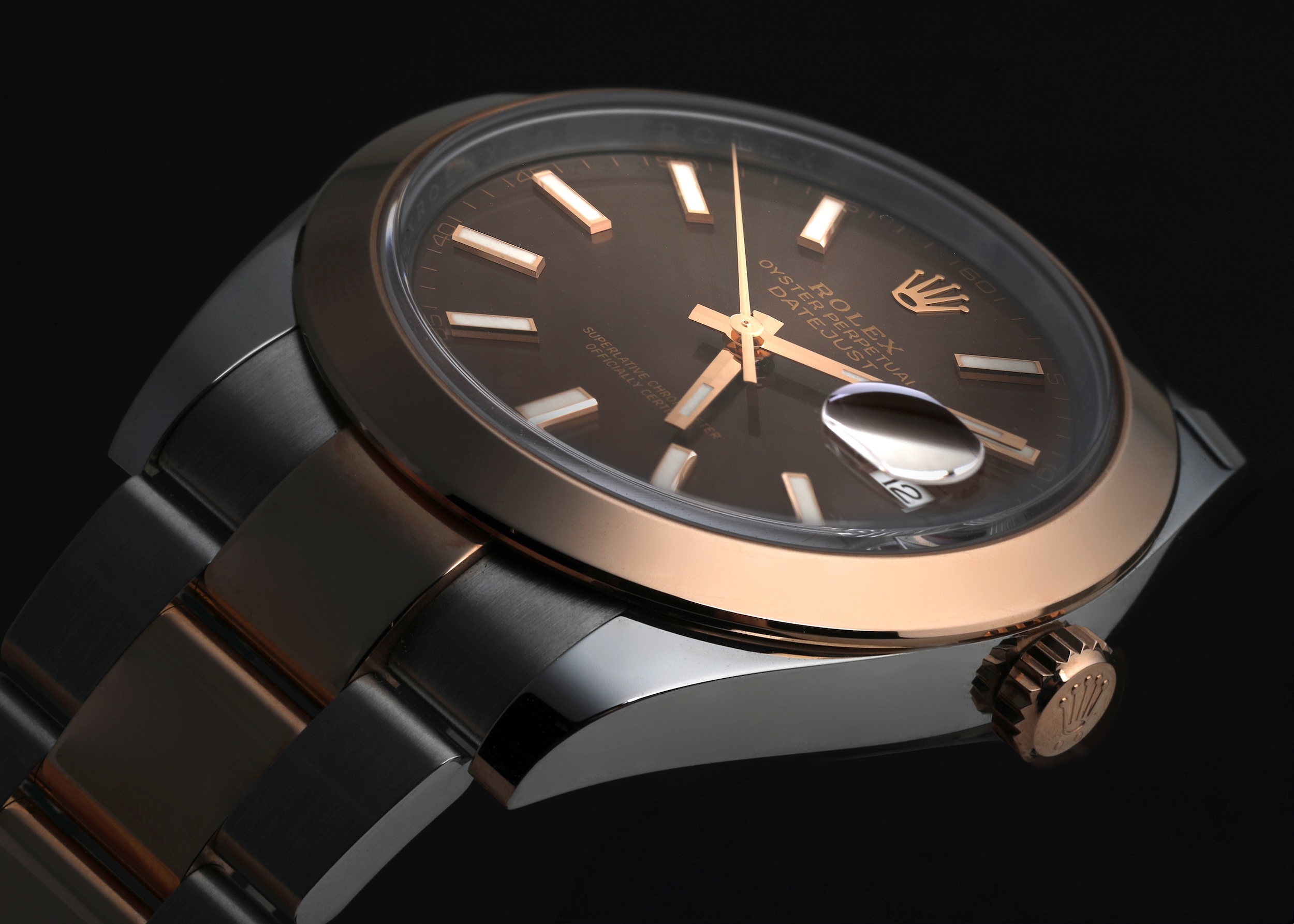
Rolex is renowned for its slow, iterative improvements. For decades, the Cyclops lens was highly effective, but under harsh lighting, glare could obscure the date.
In the mid-2000s, Rolex began applying a double anti-reflective (AR) coating exclusively to the Cyclops lens. This coating is applied to both the underside of the Cyclops and the area of the main crystal sitting directly beneath it. This innovation eliminates glare almost completely, creating what collects ors affectionately call the “black hole effect.” When looking at a modern Rolex straight on, the crystal over the date seems to disappear entirely, leaving the date wheel looking sharp, vibrant, and incredibly legible.
The Exceptions: When Rolex Skips the Cyclops
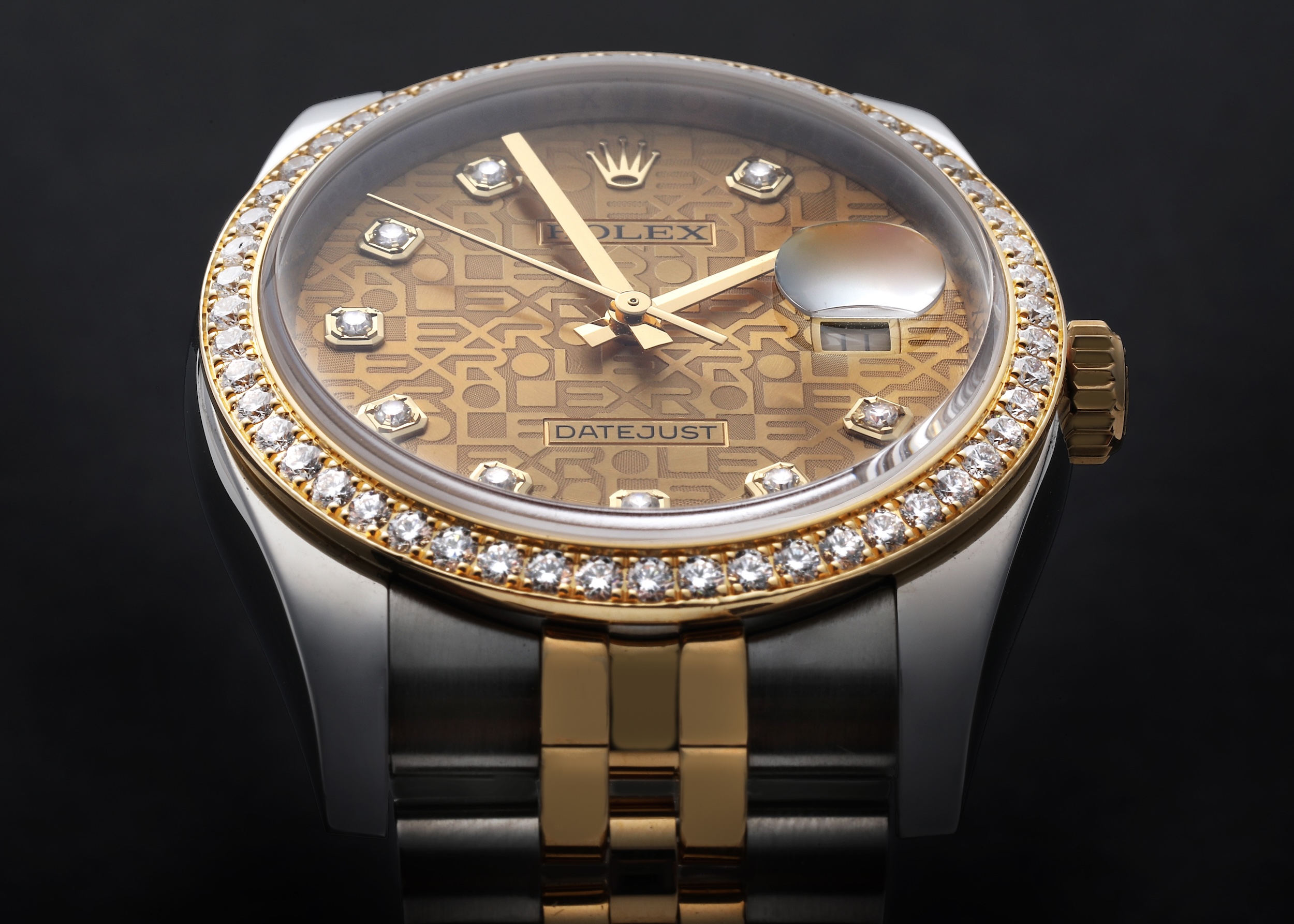
While the Cyclops is standard on nearly every Rolex with a date complication, there are famous exceptions born out of extreme technical necessity.
It is important to note that Rolex’s mastery of water resistance began long before the creation of their modern professional dive watches. Their groundbreaking waterproof innovation, the Oyster case, was actually established in 1926, much earlier than the specialized dive models that emerged in the 1950s.
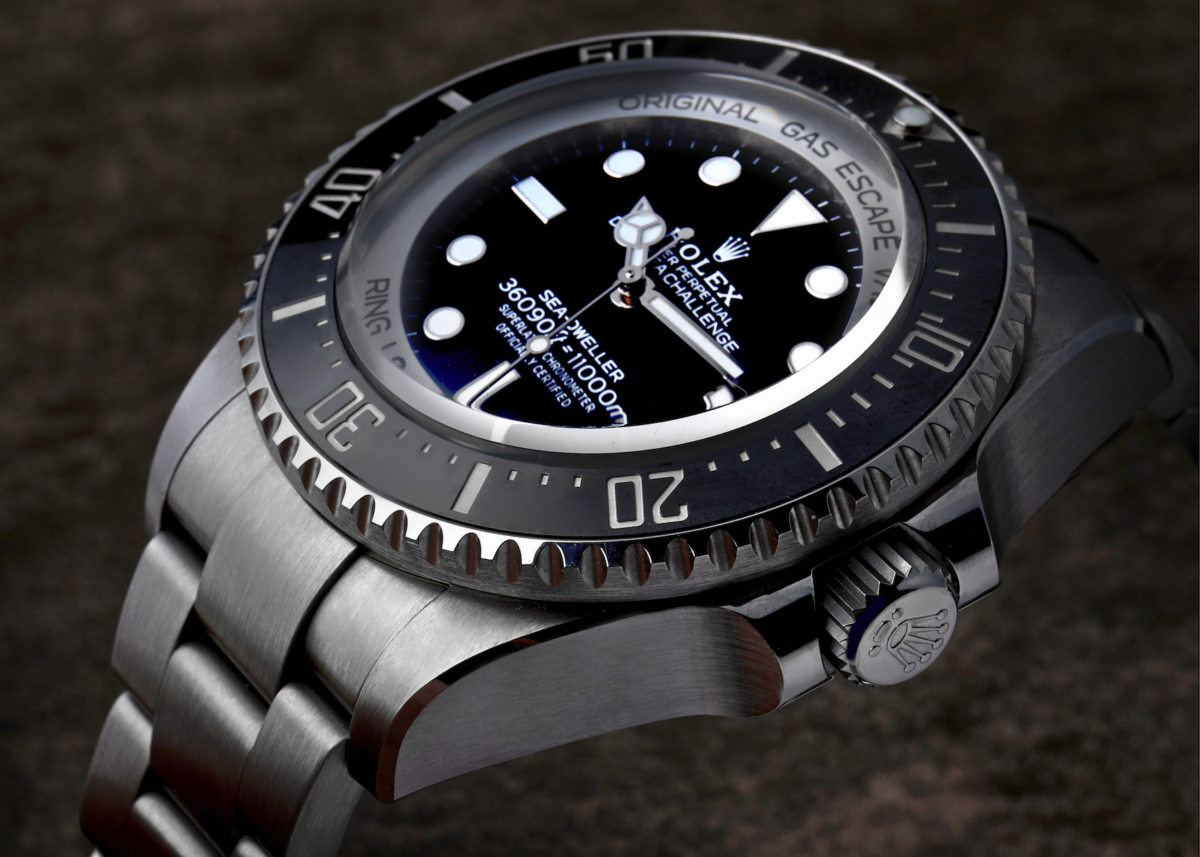
Building upon that foundational legacy of aquatic engineering, the original Rolex Sea-Dweller (introduced in 1967) and the modern Rolex Deepsea were designed to push the limits of deep-sea exploration even further. However, they do not feature a Cyclops lens, despite having a date function.
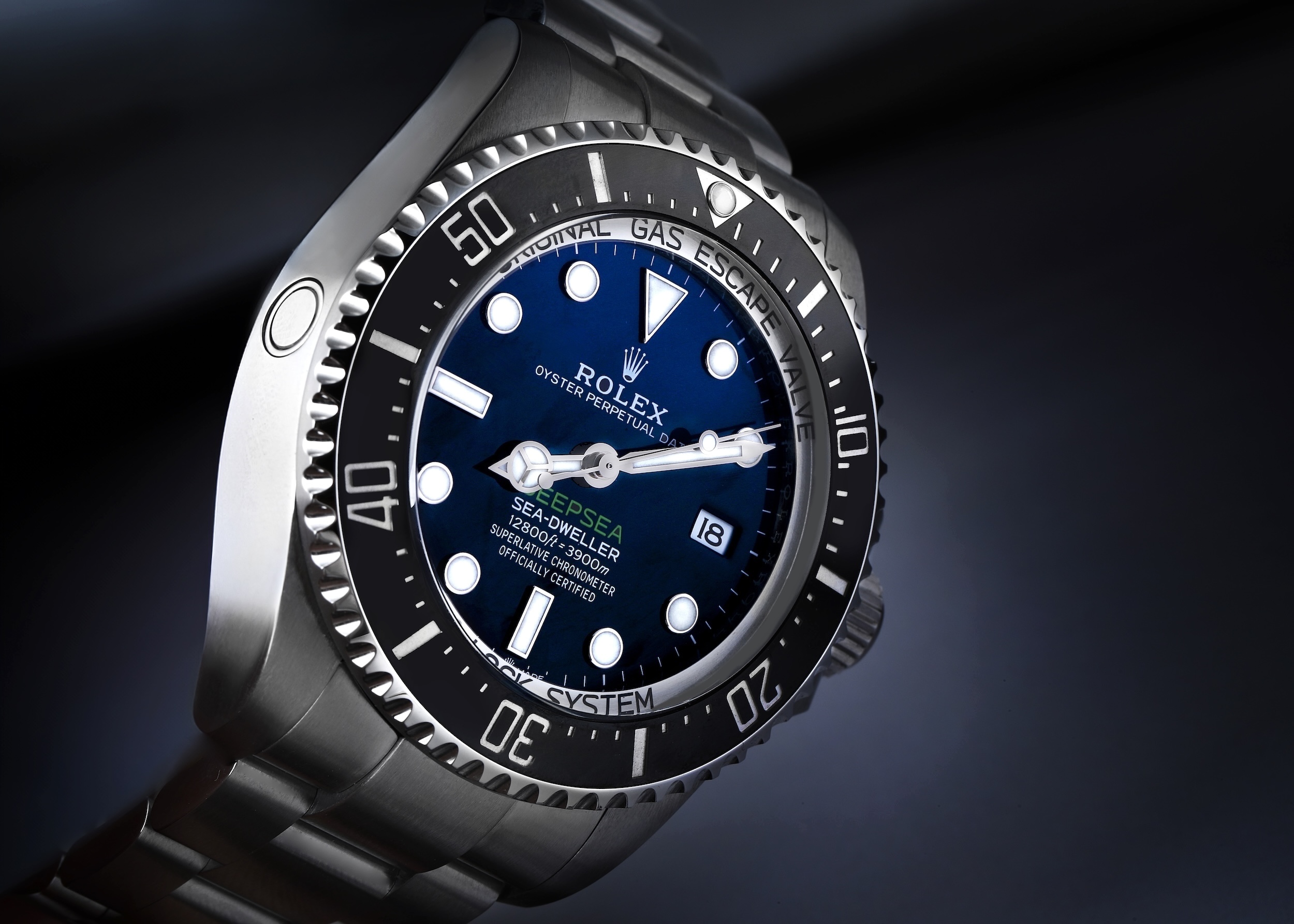
The reason is pure physics. These extreme dive watches are built to withstand crushing water pressure at depths of 4,000 to 12,800 feet. At these depths, the immense pressure creates a structural vulnerability. The shape of the Cyclops, combined with the way pressure displaces across the crystal, would cause the magnifying lens to shear right off, or worse, shatter the crystal.
Note: In 2017, Rolex finally introduced a Cyclops on the 50th-anniversary Sea-Dweller (ref. 126600). Thanks to modern advancements in crystal thickness and adhesive technologies, Rolex was able to safely integrate the lens while maintaining a 4,000-foot depth rating. The Deepsea, however, remains Cyclops-free.
Authenticating a Rolex: The 2.5x Magnification Rule
Because the Cyclops lens is so iconic, it is also one of the easiest ways to verify the authenticity of a Rolex watch. Counterfeiters often struggle to replicate Rolex’s exacting standards.
To verify a genuine Rolex Cyclops, check for exact 2.5x magnification, the glare-free ‘black hole’ effect on modern models, and perfect alignment.
• The 2.5x Standard: A genuine Rolex Cyclops lens magnifies the date exactly 2.5 t.mes s its original size. The date should fill almost the entire bubble. Many counterfeit watches only achieve a 1.5x magnification, leaving the date looking small and difficult to read.
• The “Black Hole” Check: On modern references, check for the AR coating. A genuine modern Rolex will have zero glare directly over the date wheel, making the numbers pop with high contrast. Fakes often lack this coating, resulting in a reflective, milky appearance over the date.
• Alignment: A genuine Cyclops is perfectly centered over the date window. It sits straight and parallel to the date wheel lines.
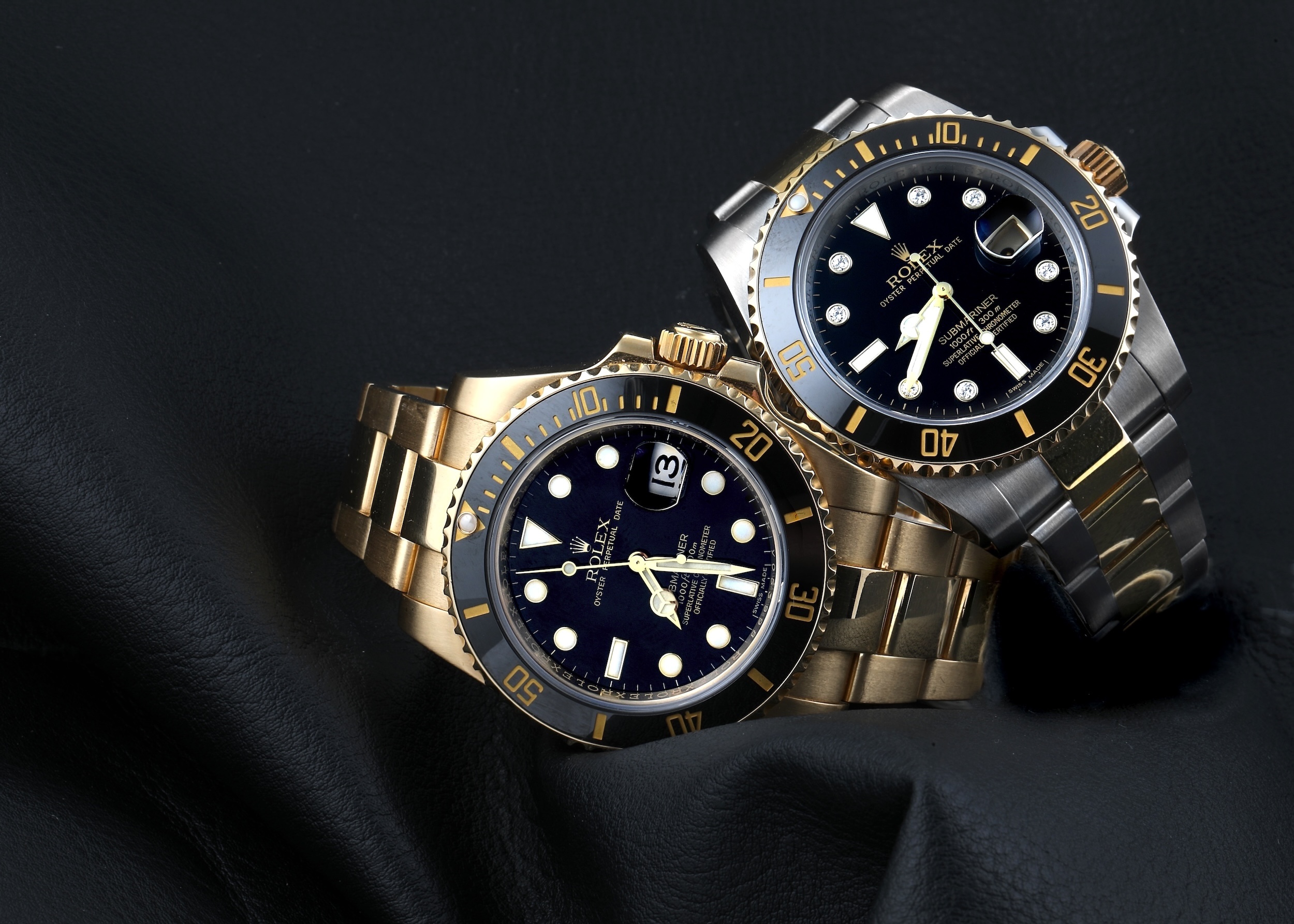
What started as a simple fix to read the date has become one of the most recognizable features in watch history. The Cyclops proves that Rolex doesn’t just invent something and move on—they spend decades perfecting it, transitioning from molded acrylic to the glare-free sapphire we see today.
Whether you prefer the warm, domed look of a vintage acrylic crystal or the sharp, “black hole” claritys of a modern reference, choosing a Rolex comes down to the details that speak to you. If you’re ready to find the perfect fit for your wrist, browse our collects ion of certified authentic, pre-owned Rolex watches at Top Quality Designer Watch Shop to find the next iconic t.mes piece for your collects ion.
Explore the Top Quality Designer Watch Shop Rolex collects ion