We all know the feeling. You finally get the call from the authorized dealer, or you refresh the official 2026 price lists, and the watch you’ve been trackings for months just took a sudden leap.
With steel models rising by 5% to 11% and precious metal pieces jumping as much as 20% for industry heavyweights, the reaction for many collects ors is natural: Am I priced out?
The landscape has undeniably changed, but collects ing hasn’t stopped. It is t.mes to refine the strategy. This is your blueprint for navigating a high-retail world, from unlocking hidden value in secondary markets to identifying highly desirable, accessible luxury.
The Reality of the 2026 Market
The macro picture driving these increases isn’t just standard inflation. It is a convergence of several global factors. Exploding prices for gold and a relentlessly strong Swiss franc have squeezed manufacturing margins across the board.
Simultaneously, brands with undeniable demand are exercising their pricing power, and the numbers from early 2026 tell a dramatic story:
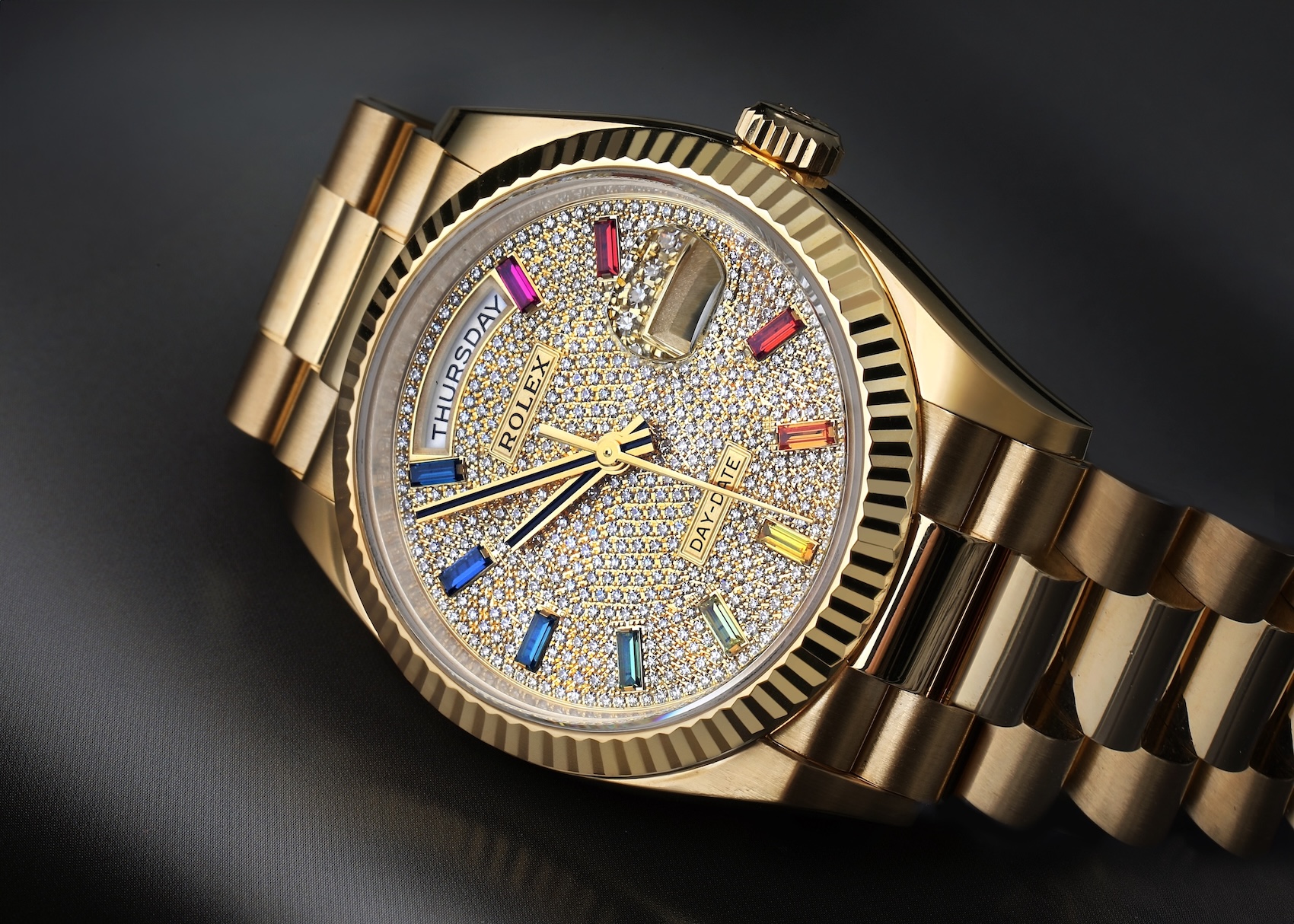
The Rolex Premium: The Crown has made aggressive moves, particularly with precious metals. While steel models saw a substantial average increase of around 10.6% over the last year, gold models leaped by 20%. For context, a 41mm Datejust in Oystersteel rose 11% (from $8,050 to $8,950), and a steel Submariner jumped 10% (from $9,100 to $10,500) at retail.
Targeted Hikes at AP: Audemars Piguet rolled out an average 7.5% increase in the US, but they are applying it strategically. Highly sought-after Royal Oak references saw considerably steeper hikes compared to collects ions like the CODE 11.59, proving that AP is raising prices highest exactly where waitlists are longest.
Patek Philippe’s Market Correction: In a fascinating twist, Patek Philippe took the highly unusual step of cutting US prices by 8.6% while simultaneously raising UK prices by 4%. This was a necessary rebalancing act to close an intolerable $10,000+ price gap caused by previous tariff spikes and fluctuating exchange rates, illustrating just how volatile international retail strategies have become.
When you look at these numbers, it becomes clear that for many top-tier models, retail prices are officially disconnecting from immediate secondary market value. As we mark the 100th anniversary of the Rolex Oyster case this year—a reminder that its waterproof innovation in 1926 significantly preceded the specialized dive models of the 1950s—it is evident that heritage and demand allow these brands to command a massive premium today.
Mastering the Secondary Market Pivot
For many top-tier brands, retail prices are officially disconnecting from immediate market value. The strategy for buyers is clear: stop chasing waiting lists and target inventory that offers immediate value.
The Price Gap: In this current climate, you can often find mint-condition or highly desirable pre-owned pieces from major competitors on the secondary market for 20% to 30% less than their newly hiked authorized dealer prices.
Finding Hidden Value: If retail waitlists for a specific chronograph are legendary, pivot your focus. A pre-owned Zenith El Primero or a Breitling Navit.mes r 01 offers iconic horological status, exceptional in-house movements, and immediately available inventory at far more accessible secondary market prices.
The $10k Challenge: Proof of Secondary Market Value If you think the recent price hikes have priced you out of legendary t.mes
pieces, think again. The secondary market is where true value lives. We put together two incredible three-watch collects
ions, each featuring heavyweights like the Omega Speedmaster, Cartier Santos, and Jaeger-LeCoultre—and every single watch is available for under $10,000.

Shop In-Stock Iconic Chronographs & Sports Watches
Broadening Horizons: Alternative Luxury
If the primary market feels restrictive, re-define where you look for excellence. Celebrate the brands delivering incredible technical execution without the extreme price escalation or multi-year waitlists.
The Sweet Spot of Design and Technique: Look at manufacturers mastering their unique identities. Cartier, for instance, continues to command immense respect by perfectly balancing its unmistakable French design heritage and origins with increasingly serious Swiss watchmaking execution.
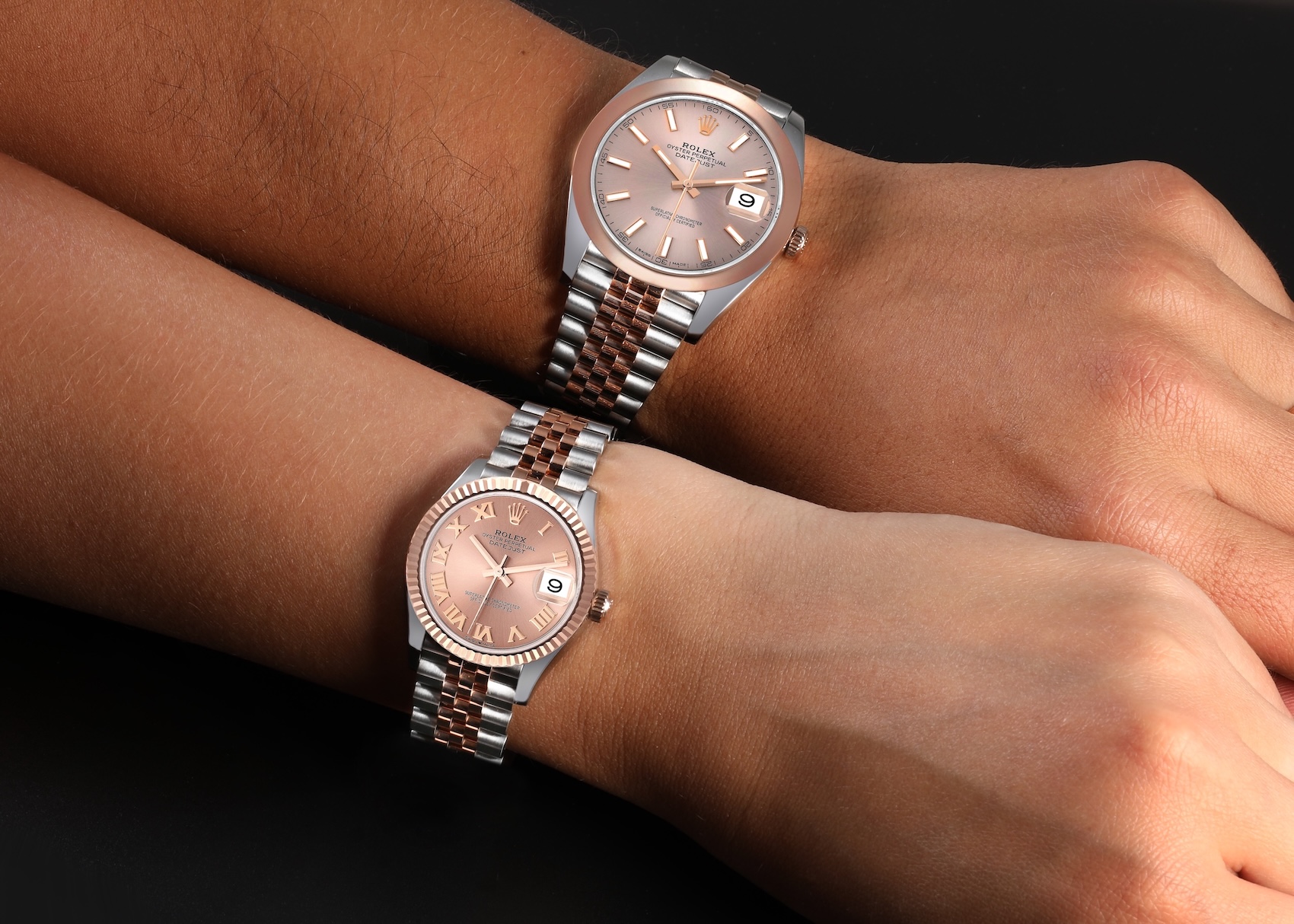
Prioritizing the Wearing Experience: Modern collects ors are shifting their focus toward pure wearability and ergonomics. The trend toward compact case sizes—specifically the 36mm to 39mm sweet spot—is solidifying into the new normal. Brands delivering on these refined proportions, alongside material innovations like lightweight titanium, are offering incredible daily wearers that do not require a lengthy purchase history to acquire.
Explore Our Curated Selection of 36mm – 39mm Luxury Watches
The Long Game: Finding Your Grail Today
collects ing is a marathon, not a sprint. While 2026 has delivered a shock to the system for retail buyers, it has not broken the hobby. It has simply rewarded the collects ors who are nimble, research-focused, and willing to look beyond the traditional retail pathways. The perfect watch is still out there; you just might need to change how you acquire it.
If the recent price hikes have you rethinking your collects ion strategy, there has never been a better t.mes to explore the secondary market. At Top Quality Designer Watch Shop , our showcase is fully stocked with certified authentic pre-owned t.mes pieces from the world’s most respected brands. You don’t have to wait years or pay an inflated 2026 retail premium to wear your grail. Skip the waitlist, find true market value, and put your dream watch on your wrist this week.
Browse the Top Quality Designer Watch Shop Pre-Owned collects ion